Who it is for
- Cancer that has spread to a small number of places in the lung, liver, lymph nodes, bone, spine or adrenal gland
- A small primary cancer that shows clearly on a scan, where surgery is not wanted or not advised
- People who would rather have a few visits than several weeks of daily treatment
- People who have had treatment before and now have a single new spot that can be seen on a scan
- People whose general health makes a long course of treatment or an operation harder to manage
What happens
Consultation and scan reviewUsually one appointment
Dr Harinarayanan looks at your scans and history and tells you whether SABR is a sensible option, and whether a CT-guided machine or the MR-Linac would serve you better. If SABR is not the right choice, he says so and explains what is.
A planning scan
You have a CT scan in the treatment position. Depending on the area, you may be fitted with a support to keep you still, or asked to breathe in a particular way so the tumour sits in the same place each time. Physicists and the oncologist then build your plan.
Treatment over a few visitsLonger than a standard radiotherapy visit
Each visit, the machine takes pictures to line you up, then delivers the dose from several angles. You lie still and feel nothing. The course is a small number of sessions, often spaced over days rather than weeks, and you go home after each one.
Follow-up
Any side effects are checked in the weeks afterwards, and scans are arranged to see how the treated area has responded. The results are shared with your own oncologist or surgeon if you have one.
Good to know
- SABR works best on tumours that are small and clearly seen on a scan. Larger tumours, or many spots at once, are usually better served by another approach.
- Side effects depend on the area treated. Tiredness is common. Treating the lung can cause a cough or breathlessness for a while; treating the liver or bowel area can cause nausea or a change in bowel habit. Most settle.
- Because the dose is high, the plan has to protect what is next to the tumour. Where the tumour sits close to the bowel, stomach or spinal cord, the MR-Linac may be the safer machine, and he will say so.
- CT-guided SABR is delivered on GenesisCare machines at Southampton, and GenesisCare bill for the radiotherapy; Dr Harinarayanan plans and oversees the treatment and bills separately for his own fee.
- SABR is available on the NHS for a number of cancers. Dr Harinarayanan is an NHS consultant and will tell you what the NHS can offer you as well as what he can offer privately.
What SABR is
Radiotherapy uses beams of high-energy X-rays to damage cancer cells so they stop dividing. Most radiotherapy spreads that damage out over many small daily doses. SABR takes a different approach.
SABR stands for stereotactic ablative radiotherapy. “Stereotactic” means the tumour is located in three dimensions, to the millimetre, and the beams are aimed at that exact point from several directions. “Ablative” means the dose at that point is high enough to destroy the tissue it hits, rather than just damaging it. Because the beams come from many angles and meet only at the tumour, the tissue each beam passes through gets a much smaller dose.
The result is a treatment given in a few visits rather than several weeks, aimed at a small, well-defined target.
Who it may help
SABR suits a tumour that is small and shows clearly on a scan. The most common use is oligometastatic cancer: cancer that has spread from where it started to a few places, rather than widely. “Oligo” means few. Those places are often the lung, the liver, lymph nodes, bones, the spine or the adrenal glands. In suitable cases each spot can be treated directly.
It can also be used for a small primary cancer, meaning one that has not spread, where surgery is not wanted or not advised. And it can be an option for a person who was treated in the past and now has a single new spot on a scan.
It is not the right tool for a large tumour, for cancer that has spread to many places, or for cancer that cannot be seen clearly on a scan. Dr Harinarayanan will say plainly if another treatment is the better choice.
CT-guided or MR-Linac: choosing the machine
Dr Harinarayanan delivers SABR in two ways, and the choice depends on what the machine needs to see.
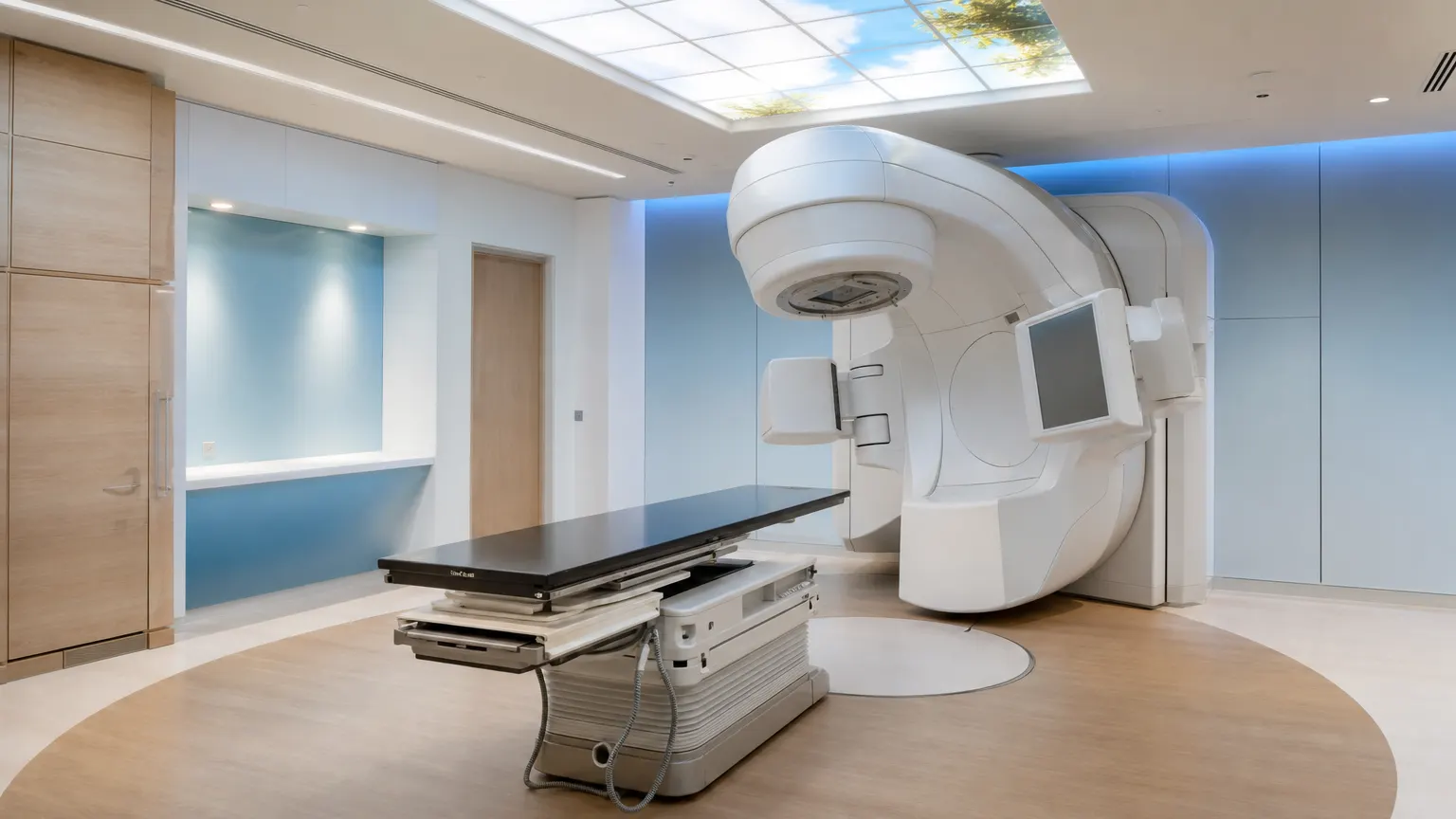
A CT-guided machine, a standard linear accelerator, uses X-ray pictures to line you up before each dose. It shows bone well and soft tissue less well. For a spot in the lung or a bone, it is often all that is needed, and it is delivered at GenesisCare Southampton, close to home for most of his patients.
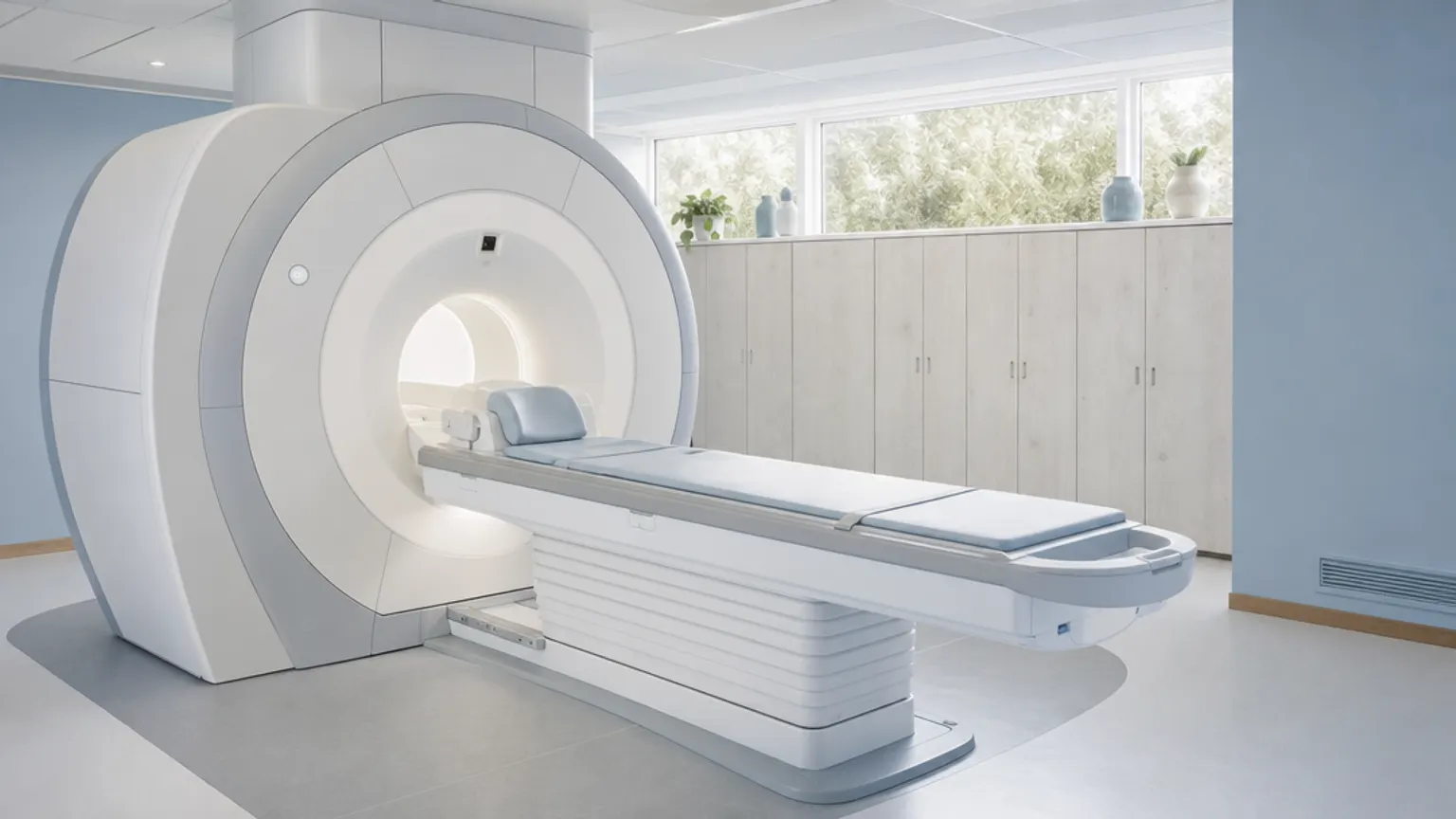
An MR-Linac has an MRI scanner built around the treatment machine. MRI shows soft tissue in detail, so for a tumour that sits against the bowel, the stomach or the spinal cord, or one that moves as you breathe, the team can see exactly where it is on the day and adapt the plan. He delivers MR-Linac SABR at GenesisCare’s London, Guildford and Oxford centres. It has its own page on this site.
He will recommend the machine that fits your case, and explain why.
What a course involves
It starts with a consultation at Spire Southampton, where he reads your scans and history. If SABR is a sensible option, you have a planning CT scan in the treatment position. Depending on the area, you may be fitted with a support to keep you still, or asked to hold your breath in a set way so the tumour sits in the same place each time. From those pictures, physicists and Dr Harinarayanan build the plan: where the dose goes, and where it must not.
Treatment itself is a small number of sessions, often spaced over days rather than weeks. At each visit the machine takes pictures to line you up, then delivers the dose from several angles. You lie still. You feel nothing. Each visit takes longer than a standard radiotherapy appointment, because of the checking, and you go home afterwards.
Follow-up scans are arranged to see how the treated area has responded, and the results are shared with your own team.
Side effects and limits
Side effects depend on the part of the body treated. Tiredness is common and passes. Treating the lung can cause a cough or breathlessness for a time. Treating the liver or the abdomen can cause nausea or a change in bowel habit. Treating a bone can cause a short flare of pain before it eases. Most effects are short-lived; he will go through the ones that apply to you, and the rarer ones, before you decide.
The limit of SABR is precision. A high dose is only safe when the tumour is small and the tissue around it can be protected. That is why the scans, the planning and the choice of machine matter so much, and why some people are better served by the MR-Linac, by standard radiotherapy or by drug treatment.
For referring clinicians
Dr Harinarayanan accepts referrals for SABR from oncologists, surgeons, GPs and MDT coordinators across the South Coast and beyond. Typical referrals are oligometastatic disease in the lung, liver, nodes, bone, spine or adrenal, and selected primaries where an ablative dose is appropriate. Where soft-tissue proximity or motion limits a CT-based plan, he can offer MR-Linac SABR instead.
Please send a referral letter with diagnosis, stage and treatment to date, the most recent imaging (CT, MRI and PET-CT where available) and the MDT outcome, together with the patient’s contact details and funding route. Letters and scans go to his secretary at Ann.Clay@uhs.nhs.uk, or use the referral form on the clinicians page. He aims to reply to referrals promptly. He is glad to discuss a case informally first.
Related treatments
MR-Linac SABR
MR-Linac SABR is radiotherapy given on a machine with an MRI scanner built in. The scanner shows the tumour and the healthy tissue around it while you are being treated, so the dose can be aimed tightly and the plan adjusted for that day. Dr Sathish Harinarayanan is accredited by GenesisCare UK to deliver it and treats patients on the MR-Linac at three GenesisCare centres: London, Guildford and Oxford.
Read more →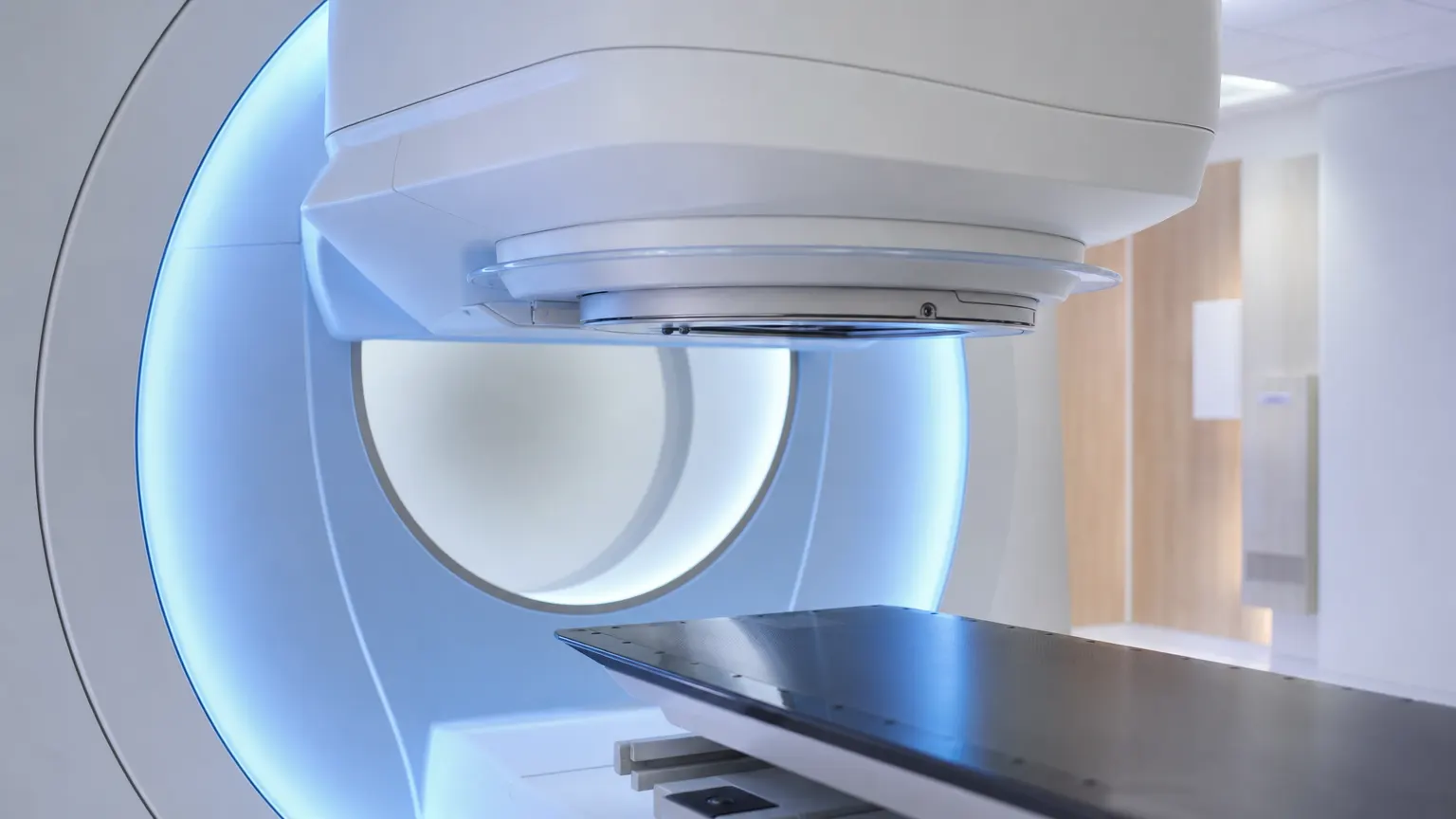
Precision radiotherapy, IMRT and VMAT
Radiotherapy uses carefully shaped beams of high-energy X-rays to damage cancer cells so they stop growing. Modern techniques such as IMRT and VMAT shape the dose to the tumour and spare what is around it. Dr Harinarayanan plans and oversees private radiotherapy at GenesisCare Southampton, on the same site as Spire Southampton Hospital, for bowel and rectal cancer and cancer that has come back after earlier treatment.
Read more →Where it is delivered
Conditions this applies to
Common questions
What is SABR?
SABR stands for stereotactic ablative radiotherapy: a short course of very precise, high-dose radiotherapy aimed at a small, well-defined tumour, given over a few visits rather than several weeks. It is an established NHS and private treatment across the UK, most often used for a small primary cancer or for cancer that has spread to a few places. Dr Harinarayanan delivers it as both CT-guided SABR and MRI-guided MR-Linac SABR, and will recommend which suits your case.
What is the success rate of SABR?
There is no single figure that applies to everyone, and Dr Harinarayanan will not quote one that doesn't. How well SABR works depends on the cancer type, where the tumour sits, its size, and your general health. What research does show is that SABR reliably controls the great majority of small, well-defined tumours it is used on, which is why it has become a standard option across the NHS and private practice. At your consultation, he will tell you honestly what the evidence says for your specific situation, not a general statistic.
How is SABR different from standard radiotherapy?
Standard radiotherapy spreads a moderate dose over many weekday visits, often for several weeks. SABR gives a much higher dose per visit to a small, precisely mapped target, over a few visits. That higher dose is what makes it ablative, meaning it aims to destroy the cells it hits. The trade is precision: SABR only works safely when the tumour is small, well defined and the surrounding tissue can be protected.
What is the difference between CT-guided SABR and MR-Linac SABR?
Both are SABR. The difference is how the machine sees you. A CT-guided machine uses X-ray pictures to line you up, which show bone well and soft tissue less clearly. An MR-Linac uses MRI, which shows soft tissue such as the bowel, liver and lymph nodes in detail, and can adapt the plan each day. For a tumour next to a sensitive organ, that can matter. Dr Harinarayanan will recommend the machine that fits your case.
How many sessions does SABR take?
A small number, spread over days rather than weeks. The exact number depends on the cancer, where it sits and what is around it, and it is decided at planning rather than in advance. Each session takes longer than a standard radiotherapy visit because the team checks your position carefully before the dose is given. You go home after each visit and most people carry on with normal life between them.
Does SABR hurt?
SABR does not hurt. You do not feel the radiotherapy beam itself. The parts people find hardest are lying still for the length of a session and, for some areas, holding a breathing pattern. Side effects, if they come, arrive in the days and weeks afterwards rather than on the day, and they depend on the part of the body treated. Dr Harinarayanan explains the ones that apply to you before you decide.
Is SABR available on the NHS?
SABR is available on the NHS for a number of cancers and situations. Dr Harinarayanan is an NHS consultant clinical oncologist at University Hospital Southampton, and he will tell you honestly what the NHS can offer for your case. Some people choose private SABR for the choice of consultant or the timing. MR-Linac SABR, the MRI-guided version, is not currently funded on the NHS for this use and is offered privately.
Where does Dr Harinarayanan deliver SABR?
CT-guided SABR is delivered at GenesisCare Southampton, on the same site as Spire Southampton Hospital, where he also holds consultations. MRI-guided SABR on the MR-Linac is delivered at Cromwell Hospital in London, GenesisCare Guildford and GenesisCare Oxford. Which site you attend depends on which machine suits your case. Each location has its own page with directions and what to bring.