
Who it is for
- Bowel cancer with a particular genetic feature, found on testing, that makes it more likely to respond to immunotherapy
- Cancer with a specific fault found by genetic profiling, for which a targeted drug exists
- People already on immunotherapy or a targeted drug who want their care reviewed or continued closer to home
- People who want a second opinion on whether these treatments apply to them
What happens
Consultation and tumour testingUsually one appointment, then the test results
Dr Harinarayanan reviews your diagnosis, scans and treatment so far. A sample of the tumour is tested for the features that predict whether immunotherapy or a targeted drug is likely to help. Without that test, nobody can say.
Your plan, explained
He tells you which drug he recommends, what it does, how it is given, how long for, and which side effects to watch for. Immunotherapy side effects are different from chemotherapy, and knowing them matters.
TreatmentDrip visits are usually shorter than chemotherapy
Most immunotherapy is given through a drip at GenesisCare Southampton as a day visit, at regular intervals. Many targeted drugs are tablets taken at home. Either way, you are reviewed regularly.
Monitoring
Blood tests check organs such as the liver, thyroid and kidneys, because immunotherapy can cause the immune system to react against them. Scans at intervals show how the cancer is responding.
Reviewing and deciding
He goes through each scan with you. Treatment continues while it is helping and you are tolerating it, and stops or changes when it is not. That decision is made together.
Good to know
- These drugs do not work for every cancer, and testing the tumour is what decides. Dr Harinarayanan will tell you honestly if they do not apply to you.
- Immunotherapy side effects come from the immune system overreacting and can affect almost any organ: skin, bowel, liver, lungs, thyroid or joints. Most are mild and treatable, but they must be reported promptly.
- Targeted drugs have their own side effects depending on the drug, such as skin rashes, diarrhoea, raised blood pressure or tiredness. They are usually manageable with dose changes.
- Immunotherapy and targeted therapy are delivered privately at GenesisCare Southampton, who bill for the drugs and treatment; Dr Harinarayanan bills separately for his own fee. Drug costs can be high, so check with your insurer or ask for an estimate first.
- Many of these drugs are available on the NHS for the same uses. Dr Harinarayanan is an NHS consultant and will tell you what the NHS can offer you.
How immunotherapy works
Your immune system is built to find and destroy abnormal cells, and it does so every day. Cancer cells survive partly by hiding from it. Many carry a signal on their surface that tells passing immune cells to stand down.
The most widely used immunotherapy drugs, called checkpoint inhibitors, block that signal. With the brakes off, the immune system can see the cancer again and attack it. The drug does not kill the cancer directly; your own immune cells do. That is why the effect can carry on for some time after treatment stops, and why the side effects are different from chemotherapy.
How targeted therapy works
Cancer cells often carry a specific fault, a change in a gene, that drives their growth. Targeted drugs are designed to block that fault, or to block the blood supply a tumour needs to grow. Because they aim at one mechanism rather than at all dividing cells, their side effects tend to be different from chemotherapy and often milder, though not absent.
They only work when the fault is present. A tumour without it will not respond, however good the drug. That is why the tumour is tested first.
Who it may help
In bowel cancer, immunotherapy helps a smaller group. Some bowel cancers have a particular genetic feature that makes them poor at repairing their own DNA, and those tumours respond to immunotherapy far better than the rest. A test on the tumour shows whether yours is one of them. Targeted drugs are used for some bowel cancers that have spread, again depending on tests.
Dr Harinarayanan has an interest in precision medicine, which means using genetic profiling of the tumour to choose treatment for your cancer rather than for cancer in general. If the tests show these drugs do not apply to you, he will say so and explain what does.
What a course involves
It begins with a consultation at Spire Southampton and, if it has not been done already, testing of a tumour sample. He then explains which drug he recommends, what it does, how it is given, how long for and what to watch for.
Most immunotherapy is given through a drip at GenesisCare Southampton as a day visit, at regular intervals. Drip visits are usually shorter than chemotherapy. Many targeted drugs are tablets you take at home. Either way, you have regular blood tests and reviews, and scans at intervals to see how the cancer is responding.
Treatment continues while it is helping and you are tolerating it. When it is not, it stops or changes. He goes through each scan with you and the decision is made together.
Side effects, and why you must speak up
Immunotherapy side effects come from the immune system overreacting. It can turn on healthy tissue as well as the cancer: the skin, the bowel, the liver, the lungs, the thyroid or the joints. Most of these reactions are mild and settle with treatment, often a course of steroids. A few can become serious if they are ignored. So you are asked to report any new symptom straight away, even one that seems small, and you are given a number to call.
Targeted drugs have their own side effects depending on the drug: rashes, diarrhoea, raised blood pressure, tiredness, sore hands and feet. Most are managed by adjusting the dose.
Supportive care is part of his practice. If a treatment is doing more harm than good, he will say so and change course.
For referring clinicians
Dr Harinarayanan accepts referrals for immunotherapy and targeted therapy in colorectal cancer where molecular profiling supports it. He also sees patients for a second opinion on systemic options, and can continue an established regimen closer to home.
Please send a referral letter with diagnosis, stage, histology and molecular or immunohistochemistry results where available, treatment to date, recent imaging, the MDT outcome and the patient’s funding route. Letters and scans go to his secretary at Ann.Clay@uhs.nhs.uk, or use the referral form on the clinicians page. He aims to reply to referrals promptly. Treatment is delivered privately at GenesisCare Southampton, which bills for drugs and administration; Dr Harinarayanan bills separately for his own fee.
Related treatments

Chemotherapy and systemic therapy
Systemic therapy means treatment that travels through the whole body in the bloodstream, rather than being aimed at one spot. Chemotherapy is the best-known kind. Dr Harinarayanan plans chemotherapy and other drug treatments as a consultant clinical oncologist, and they are delivered privately at GenesisCare Southampton, on the same site as Spire Southampton Hospital.
Read more →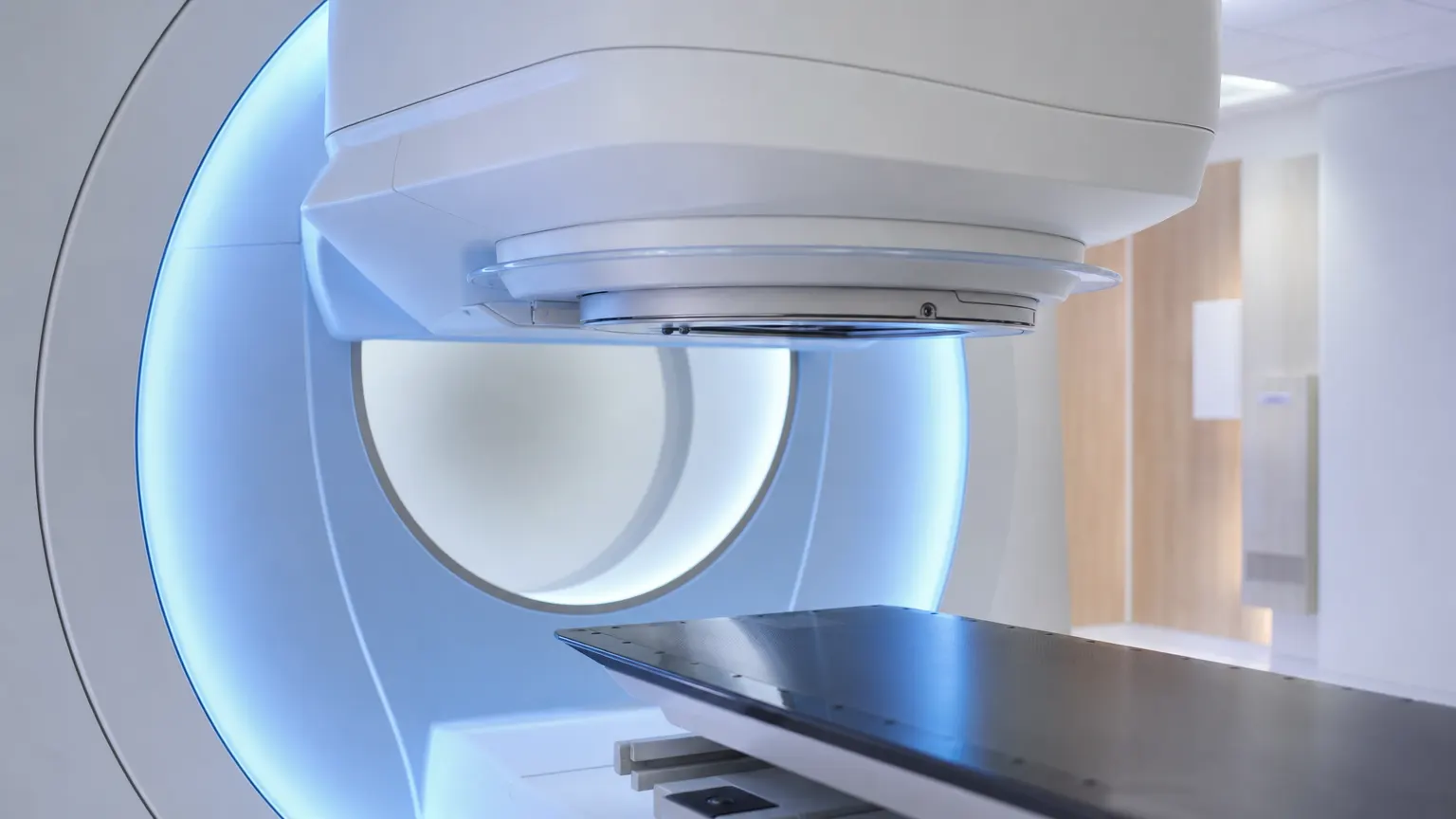
Precision radiotherapy, IMRT and VMAT
Radiotherapy uses carefully shaped beams of high-energy X-rays to damage cancer cells so they stop growing. Modern techniques such as IMRT and VMAT shape the dose to the tumour and spare what is around it. Dr Harinarayanan plans and oversees private radiotherapy at GenesisCare Southampton, on the same site as Spire Southampton Hospital, for bowel and rectal cancer and cancer that has come back after earlier treatment.
Read more →Where it is delivered
Conditions this applies to
Common questions
How does immunotherapy work?
Your immune system is built to spot and destroy abnormal cells, but cancer cells can hide from it by switching off the immune response. The most widely used immunotherapy drugs, called checkpoint inhibitors, block that switch, so the immune system can see the cancer again and attack it. Because it is your own immune system doing the work, the effect can continue for some time after the drug is stopped.
Which cancers does immunotherapy work for?
It depends less on where the cancer started and more on what the tumour looks like under testing. In bowel cancer it helps a smaller group whose tumours have a particular genetic feature that a test can find. Dr Harinarayanan will arrange the right test and tell you plainly whether immunotherapy applies to you.
What is targeted therapy?
Targeted drugs block a specific fault inside cancer cells that helps them grow or spread, or block the blood supply a tumour needs. Because they aim at that fault rather than at all dividing cells, they often have different and milder side effects than chemotherapy. They only work when the fault is present, which is why the tumour is tested first. Many are tablets you take at home, with regular reviews and blood tests.
What side effects does immunotherapy have?
They are different from chemotherapy. Because the drug takes the brakes off the immune system, it can react against healthy tissue: a rash, diarrhoea, inflammation of the liver, lungs or thyroid, or sore joints. Most are mild and settle with treatment, but a few can become serious if ignored, so you are asked to report any new symptom straight away. Hair loss is not a usual effect of immunotherapy.
How long does immunotherapy last?
It varies. Treatment is given at regular intervals and continues while scans show it is helping and you are tolerating it well. For some people that means many months; for others, treatment stops earlier because it is not working or because side effects outweigh the benefit. Dr Harinarayanan reviews each scan with you and the decision to carry on, pause or stop is made together, with the reasons explained.
Is immunotherapy available on the NHS?
Many immunotherapy and targeted drugs are funded on the NHS for the same uses. Dr Harinarayanan is an NHS consultant clinical oncologist at University Hospital Southampton, and he will tell you what the NHS can offer for your situation. Some people choose private treatment for timing, choice of consultant or a drug not yet funded for their case. Private delivery is at GenesisCare Southampton.