
Who it is for
- Bowel cancer, before or after surgery, or to control cancer that has spread
- Rectal cancer, where chemotherapy is given alongside radiotherapy to make it work harder
- People whose treatment plan was made elsewhere and who would like it delivered closer to home or reviewed by another consultant
- People who want a second opinion on whether chemotherapy is the right next step for them
What happens
Consultation and testsUsually one appointment
Dr Harinarayanan reviews your diagnosis, scans and any treatment so far. Blood tests check that your body is ready. For some cancers, a sample of the tumour is tested for genetic features that change which drugs are likely to work.
Your plan, explained
He tells you which drugs he recommends, how they are given, how many cycles, what they are meant to achieve and what side effects to expect. You have time to ask questions and decide. Nothing starts until you are happy.
TreatmentA day visit; the length depends on the drugs
Most chemotherapy is given through a drip in a treatment chair at GenesisCare Southampton, as a day visit. Some drugs are tablets you take at home. A cycle is a period of treatment followed by a rest, so your body can recover before the next one.
Checks between cycles
Before each cycle you have blood tests and a review. Doses can be adjusted, and supportive medicines added, so that treatment stays safe and bearable. You have a number to call if you feel unwell.
Scans and next steps
Scans during and after treatment show how the cancer is responding. He goes through the results with you and agrees what comes next, whether that is more treatment, surgery, radiotherapy or a period of watching.
Good to know
- Side effects depend on the drugs. Tiredness, nausea, changes in taste and a higher risk of infection are common; hair loss happens with some drugs and not others. Most are managed well with supportive medicines.
- Not everyone needs chemotherapy. Dr Harinarayanan will say plainly if the benefit for you is small or if another treatment is better.
- Chemotherapy is delivered privately at GenesisCare Southampton, who bill for the drugs and the treatment. Dr Harinarayanan plans and oversees it and sees you at each review, billing separately for his own fee.
- Check with your insurer before treatment starts, and ask for a written estimate if you are paying for yourself. Drug costs vary widely.
- The same drugs are widely used on the NHS. Dr Harinarayanan is an NHS consultant and will tell you what the NHS can offer you as well.
What systemic therapy means
Radiotherapy and surgery treat one place. Systemic therapy treats the whole body. The drugs travel in the bloodstream and reach cancer cells wherever they are, including cells too small to see on a scan. That is why it is used after surgery to reduce the chance of the cancer returning, and to control cancer that has spread.
Chemotherapy is the oldest and best-known kind of systemic therapy. Targeted therapy and immunotherapy are newer kinds, and they have their own page on this site. Dr Harinarayanan is a clinical oncologist, which in the UK means a cancer doctor trained in radiotherapy, chemotherapy, immunotherapy and other targeted anti-cancer treatment agents, so he can plan the whole course rather than one part of it.
Why chemotherapy is used, and when
Chemotherapy drugs damage cells that are dividing quickly. Cancer cells divide quickly, so they are hit hardest. Some healthy cells divide quickly too, such as those in the hair, the lining of the mouth and gut, and the bone marrow that makes blood cells, which is where the familiar side effects come from.
For bowel cancer he uses it in three main ways. After surgery, to mop up cells that may have escaped, when the stage of the cancer makes that worthwhile. Before surgery for rectal cancer, alongside radiotherapy, where the drug makes the radiation work harder; this is called chemoradiotherapy. And to control bowel cancer that has spread, on its own or with a targeted drug.
Not everyone needs it. Where the benefit is small, he will say so.
What a course involves
It begins with a consultation at Spire Southampton. He reviews your diagnosis, scans and any treatment so far, and explains which drugs he recommends, why, and what they are meant to achieve. Blood tests check that your body is ready.
Most chemotherapy is given through a drip in a treatment chair at GenesisCare Southampton, as a day visit. Some drugs are tablets you take at home. Treatment runs in cycles: a period of treatment followed by a rest, so your body can recover before the next one. Before each cycle you have blood tests and a review, and doses can be adjusted.
You are given a number to call if you feel unwell, because an infection during chemotherapy needs prompt attention. Scans during and after treatment show how the cancer is responding, and he goes through the results with you.
Precision medicine: testing the tumour
Dr Harinarayanan has an interest in precision medicine, which means choosing treatment from what the tumour itself shows rather than from the cancer type alone. A sample of the tumour can be tested for changes in its genes. Some changes tell him a drug is unlikely to work and should be skipped. Others open the door to a targeted drug or to immunotherapy. He will tell you which tests apply to you and what the results mean.
Side effects and support
Side effects depend on the drugs, and he will go through the ones that apply to your plan before you decide. Tiredness, nausea, changes in taste, a sore mouth and a higher risk of infection are common to many. Hair loss happens with some drugs and not others. Tingling in the hands and feet happens with some. Most are managed well with supportive medicines, and doses can be adjusted if they become hard to bear.
Symptom management and supportive care are part of his practice, not an afterthought. If treatment is doing more harm than good, he will say so and change the plan.
For referring clinicians
Dr Harinarayanan accepts referrals for adjuvant, neoadjuvant and palliative systemic therapy in colorectal cancer, for chemoradiotherapy, and for patients who wish to have an existing regimen delivered closer to home. He also sees patients for a second opinion on systemic options, including molecular profiling.
Please send a referral letter with diagnosis, stage, histology and molecular results where available, treatment to date, recent imaging, the MDT outcome and the patient’s funding route. Letters and scans go to his secretary at Ann.Clay@uhs.nhs.uk, or use the referral form on the clinicians page. He aims to reply to referrals promptly. Chemotherapy is delivered privately at GenesisCare Southampton, which bills for drugs and administration; Dr Harinarayanan bills separately for his own fee.
Related treatments

Immunotherapy and targeted therapy
Immunotherapy helps your own immune system recognise and attack cancer cells. Targeted therapy blocks a specific fault inside cancer cells that helps them grow. Both are systemic therapies, meaning they travel through the bloodstream to reach cancer wherever it is. Dr Harinarayanan uses them for selected bowel cancers, guided by tests on the tumour, and they are delivered privately at GenesisCare Southampton.
Read more →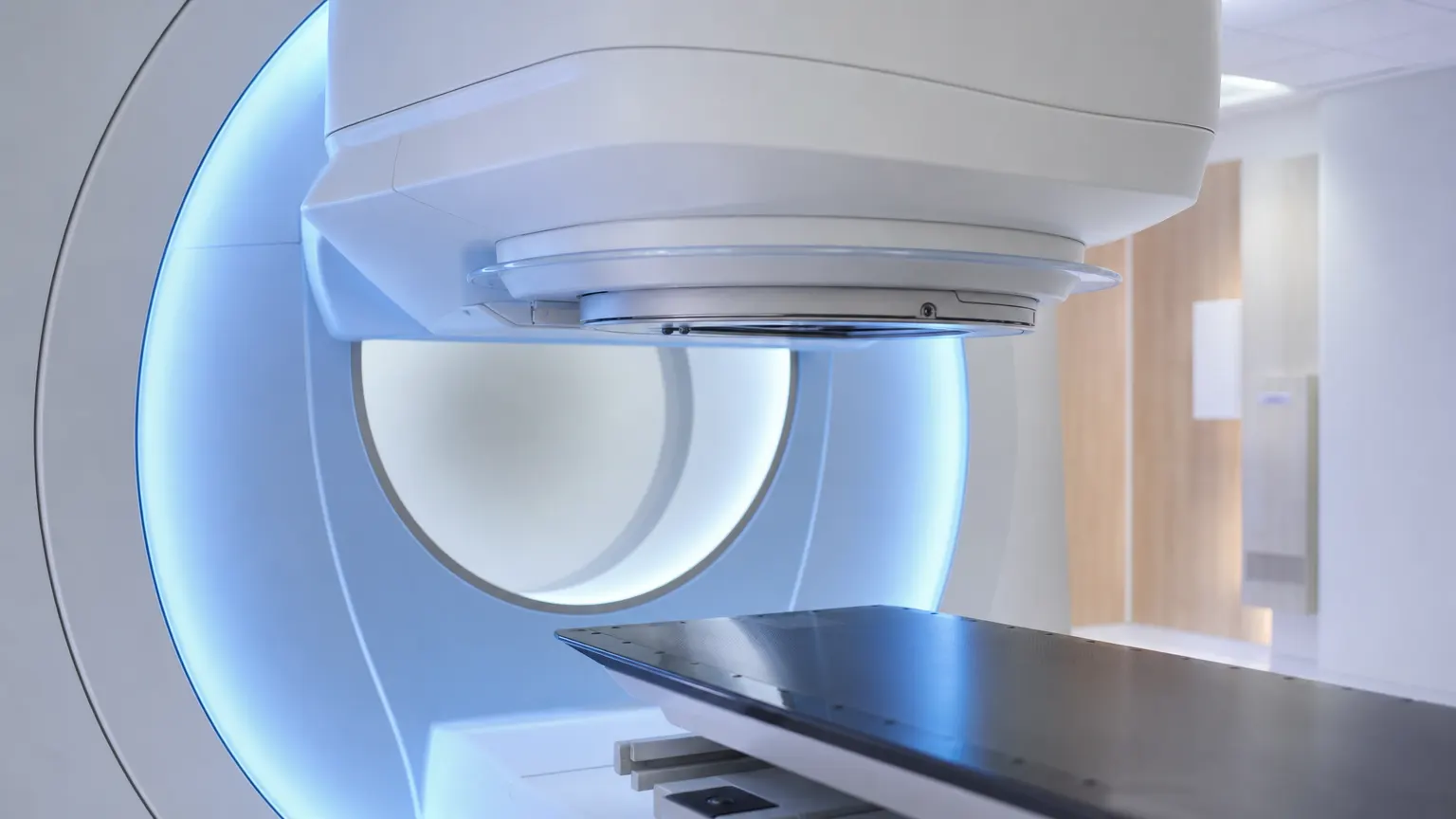
Precision radiotherapy, IMRT and VMAT
Radiotherapy uses carefully shaped beams of high-energy X-rays to damage cancer cells so they stop growing. Modern techniques such as IMRT and VMAT shape the dose to the tumour and spare what is around it. Dr Harinarayanan plans and oversees private radiotherapy at GenesisCare Southampton, on the same site as Spire Southampton Hospital, for bowel and rectal cancer and cancer that has come back after earlier treatment.
Read more →Where it is delivered
Conditions this applies to
Common questions
Is chemotherapy always needed for bowel cancer?
Chemotherapy isn't always needed for bowel cancer. Many early cases are treated with surgery alone. Chemotherapy is offered when the cancer has features that make it more likely to return, when it has spread, or, for rectal cancer, alongside radiotherapy before surgery. Whether it is worth having depends on the stage, the results of testing on the tumour and your general health. Dr Harinarayanan will show you the reasoning, not just the recommendation.
What is the difference between chemotherapy and targeted therapy?
Chemotherapy attacks cells that divide quickly, which includes cancer cells but also some healthy ones, which is why it causes side effects such as hair loss and a higher infection risk. Targeted therapy blocks a particular fault inside cancer cells that helps them grow, so it affects healthy cells less. Which is right depends on the cancer and on tests of the tumour. Sometimes the two are used together.
Where would I have chemotherapy?
At GenesisCare Southampton, which shares a site with Spire Southampton Hospital on Chalybeate Close, in a treatment chair as a day visit. Some drugs come as tablets you take at home. Dr Harinarayanan plans your treatment and reviews you between cycles. If you already have a plan from another hospital and want it delivered closer to home, he can usually arrange that.
Can I keep working during chemotherapy?
Many people do, at least part of the time. It depends on the drugs, how you respond and what your job involves. Tiredness tends to build over the cycles, and the days just after each treatment are often the hardest. Dr Harinarayanan will give you an honest idea of what to expect from your particular plan, and a letter for your employer if that helps.
What is genetic profiling and why does it matter?
Genetic profiling means testing a sample of the tumour for changes in its genes. Some of those changes predict whether a drug will work, and some open the door to a targeted drug or to immunotherapy. Dr Harinarayanan has an interest in precision medicine, which means using these tests to choose treatment for your cancer rather than for cancer in general. He will tell you which tests apply to you.
Will I lose my hair?
It depends entirely on the drugs. Some chemotherapy drugs cause complete hair loss, some cause thinning, and some cause none at all. Dr Harinarayanan will tell you which applies to your plan before you start. Where hair loss is expected, it usually begins a few weeks into treatment and grows back after it ends. Scalp cooling can reduce it with some drugs, and he can tell you whether it is available and suitable.